
Google Display Ads use images, copy, logos and optional video assets to reach people while they browse websites and apps or use Google-owned surfaces such as YouTube and Gmail. They can support awareness, consideration, traffic, leads, sales and re-engagement. Because the user is often not actively searching at that moment, creative relevance, placement quality, exclusions and measurement matter as much as reach.
A Display ad enters an auction whenever an eligible impression becomes available. Delivery depends on your locations and languages, audiences or content signals, exclusions, bidding, budget and available inventory. Responsive display ads are the default format: you provide assets and Google AI assembles combinations for different spaces. Uploaded image ads remain available, while HTML5 ads require account eligibility and have additional transition considerations during the move to Demand Gen.
Inventory spans millions of websites and apps plus eligible YouTube and Gmail placements
Core formats include responsive display ads and uploaded image ads; HTML5 access is eligibility-based
Audience, demographic and first-party data signals can work alongside topics, keywords and placements
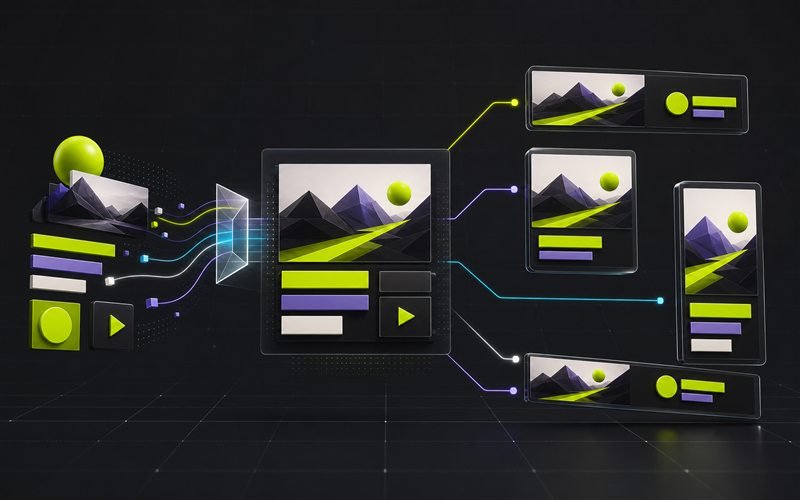

You can reach audience segments such as in-market users, custom segments, demographics and people in your own data segments. Content targeting can use topics, display keywords or selected placements. However, optimized targeting can look beyond the signals you add when it predicts better conversion performance. It is commonly enabled by default and can be turned off at ad-group level when tighter control is required. Content exclusions and other brand-safety settings still apply.
Accuracy check: reviewed against current Google Ads Help documentation on 2 August 2026.
They are visual ads that can appear across Google Display Network websites and apps and on eligible Google-owned surfaces such as YouTube and Gmail. Formats can range from responsive, asset-based ads to uploaded image creatives.
There is no fixed price. Display uses an auction, so cost depends on inventory, competition, targeting, geography, creative quality, bidding and the outcome you optimize for. Available approaches include click-, impression- and conversion-focused bidding, subject to campaign settings and account eligibility.
You provide images, headlines, logos, descriptions and optional videos. Google AI selects combinations and adjusts their size, appearance and format for eligible placements. Every asset should therefore make sense in several combinations.
You can use audience and demographic criteria, first-party data, topics, display keywords and placements. Optimized targeting can expand beyond the signals you provide unless it is turned off, while content exclusions and brand-safety controls continue to restrict eligible inventory.
No. The Google Display Network remains available. Google is moving standalone Display campaigns into Demand Gen during 2026, where advertisers can still select GDN inventory. The migration is phased, so the exact controls visible today can differ by account.
Everything you need to understand PPC is here. If you'd rather spend your time running your business than managing campaigns, we can do it for you.
Ask us to run it